



After more than ten years working in casino operations, I’ve learned that the people who struggle most in casinos are rarely the ones who know the least about the games. More often, they’re the ones who walk in with the wrong mindset. I’ve seen guests arrive after reading tips online, browsing forums, or hearing stories from friends who swear by certain habits or lucky routines. Some even refer to platforms like umi55 as though there’s a hidden shortcut to success. In my experience, the players who have the best nights are the ones who treat the casino as entertainment, not as a solution to a financial problem or a test of personal nerve.
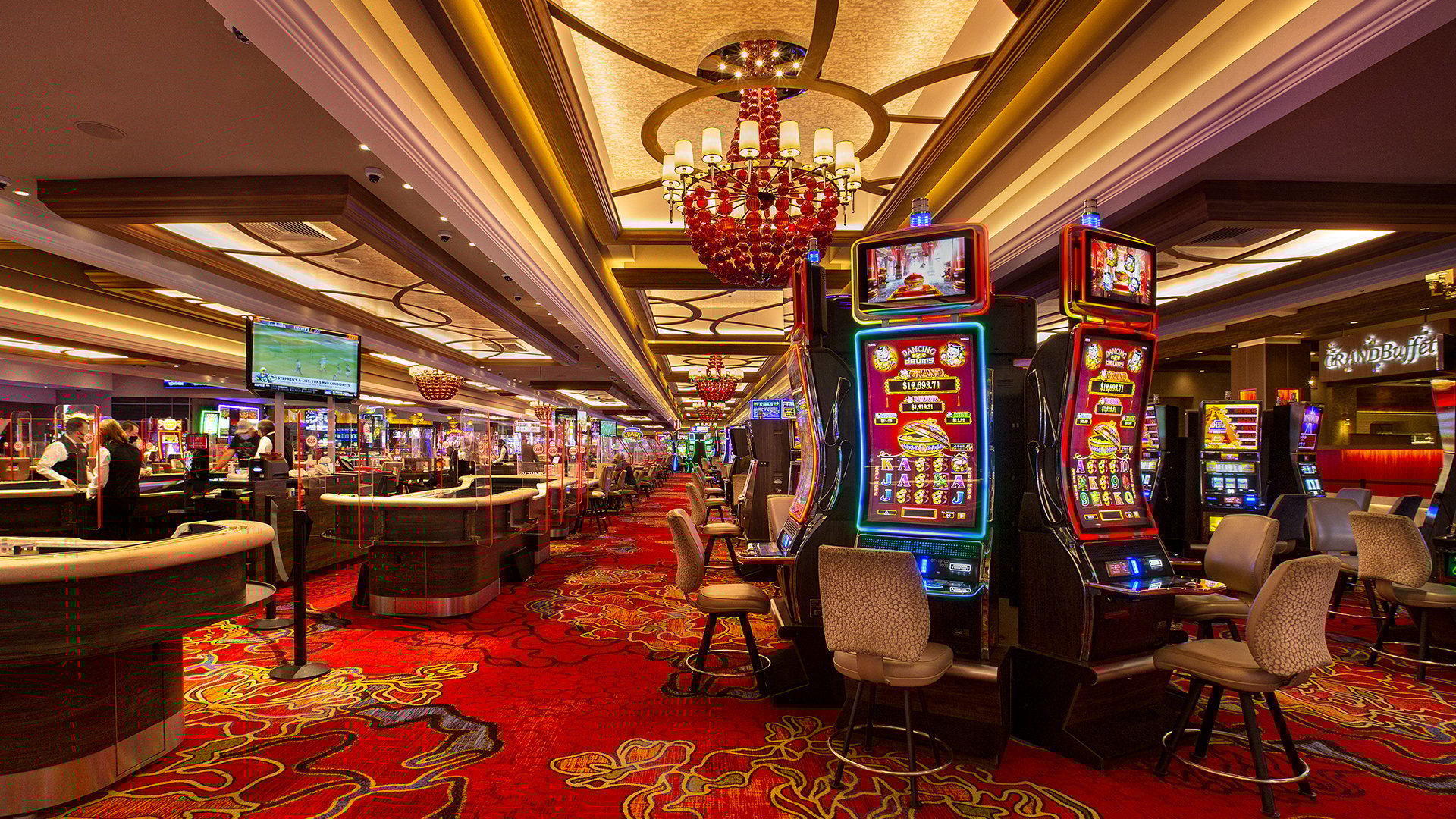
I started on the floor in a regional casino where weekend traffic could change the mood of the whole room in minutes. One thing I noticed early was how fast a person’s behavior changes after a few losses. A guest one busy Saturday began the night calm, polite, and clearly within his comfort zone. He was making modest bets, joking with the dealer, and taking breaks. After a rough half hour, he stopped talking, increased his bets, and started playing every hand like he was trying to erase the previous one. That shift is familiar to anyone who has spent real time in a casino. Once a player starts chasing losses, the game itself almost stops mattering.
That’s why I always advise people to decide on a limit before they even step onto the floor. Not after the first drink, not after a good run, and definitely not after a bad streak. I’ve found that players who settle on a number in advance tend to carry themselves differently. They are less reactive. They pay attention. They enjoy the room for what it is instead of turning every moment into a private emergency. It sounds simple, but it’s one of the clearest differences between people who leave satisfied and people who leave angry.
Another common mistake I’ve seen is choosing games based on energy instead of fit. A woman I remember from last spring kept drifting from one slot bank to another because she thought a louder machine meant better action. She wasn’t really enjoying herself; she was reacting to noise. One of the attendants suggested she try a lower-pressure table game where she could follow the pace and ask questions as she went. Within twenty minutes, she looked like a different person. She was relaxed, talking to the dealer, and actually thinking about her choices instead of just pressing buttons and hoping for a swing.
Personally, I think too many beginners sit down at fast-moving tables before they understand the rhythm. I’ve seen people do it just to avoid looking inexperienced, and it usually backfires. They miss cues, make rushed bets, and feel embarrassed for no good reason. Most casino staff can spot that discomfort immediately.
A casino is built to keep your attention, and after years in the business, I can tell you that self-awareness matters more than confidence. The people who do best are not always the luckiest. They’re the ones who know when to slow down, when to step away, and when the night has already given them enough.